The Boyfriend Shirt Is Not Your Boyfriend's Shirt: A Legal Investigation
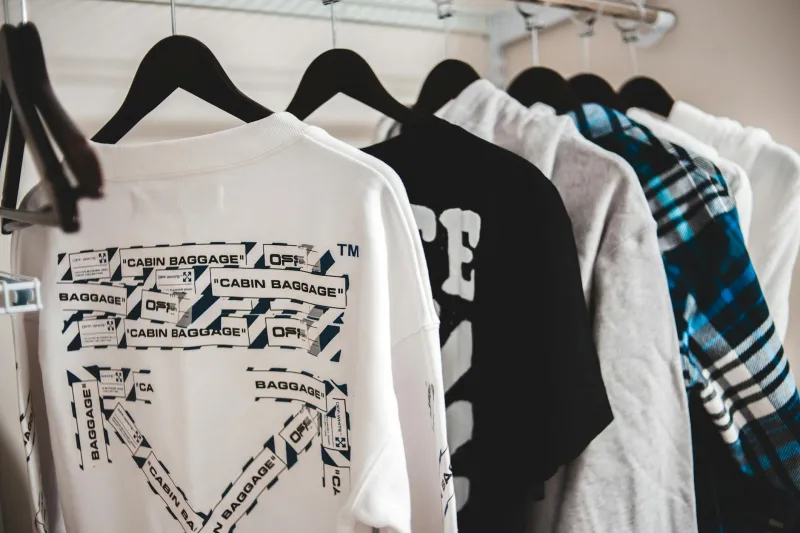
The Case of the Missing Flannel
Somewhere in America, a man is standing in front of his closet, scratching his head and wondering what happened to that perfect blue flannel he bought at Target three months ago. Meanwhile, his girlfriend is across town wearing said flannel with jeans and boots, telling her coworkers it's "just something I threw on."
Welcome to the greatest unsolved mystery of modern relationships: How does a piece of clothing migrate from one closet to another without a single conversation, contract, or conscious decision taking place?
The Five Stages of Wardrobe Annexation
Stage 1: The Innocent Borrow It starts innocently enough. You're cold. He has a hoodie. Basic human survival instincts kick in. "Can I borrow this?" you ask, already putting it on. He nods because he's a decent human being who doesn't want you to freeze.
Stage 2: The Extended Loan Somehow, that hoodie makes it home with you. Maybe you forgot you were wearing it. Maybe you "forgot" you were wearing it. Either way, it's now hanging in your closet, and you're both pretending this is temporary.
Stage 3: The Integration The borrowed item starts appearing in your regular rotation. You wear it to brunch. You wear it to work. You wear it in Instagram photos with the caption "lazy Sunday vibes." At this point, the garment has developed Stockholm syndrome and genuinely believes it belongs to you.
Stage 4: The Denial When he asks about the whereabouts of his clothing, you experience temporary amnesia. "Your gray sweatshirt? I think I saw it somewhere..." you say, while literally wearing it. This is the most dangerous stage because you're both complicit in the lie.
Stage 5: The Naturalization The final stage occurs when you both stop pretending. The shirt has been fully absorbed into your wardrobe ecosystem. You've washed it more times than he ever did. You know exactly how it fits and which jeans it looks best with. Congratulations—you're now the legal owner of a shirt you never purchased.
The Science Behind the Theft
According to absolutely no scientific studies but plenty of anecdotal evidence, there are several factors that make certain garments more susceptible to relationship-based relocation:
Size Matters: Oversized items are prime targets. That perfectly worn-in band tee that's three sizes too big for you? It's basically asking to be borrowed indefinitely.
Comfort Level: The softer and more broken-in the fabric, the higher the theft probability. Nobody's stealing a scratchy wool sweater, but that butter-soft cotton henley? Consider it gone.
Emotional Attachment: Items worn during significant moments become relationship artifacts. The hoodie he wore on your first date? That's not clothing anymore—that's a historical document that belongs in your closet museum.
The Gender Economics of Clothing Exchange
Let's address the elephant in the room: this phenomenon is notably one-directional. While women regularly absorb their partner's clothing into their wardrobes, the reverse rarely occurs. You don't see men casually wearing their girlfriend's crop tops to Home Depot.
This isn't just about sizing—it's about the cultural perception of what constitutes "borrowable" clothing. Men's clothing is seen as unisex territory, while women's clothing remains firmly gendered. It's fashion colonialism with a side of double standards.
The Boyfriend Shirt Identification Flowchart
Wondering if that flannel in your closet has officially changed ownership? Here's your handy guide:
- Have you worn it more than three times? (+1 point)
- Has it been in your possession for over two weeks? (+1 point)
- Do you have strong opinions about how it should be washed? (+1 point)
- Has he stopped asking about it? (+2 points)
- Have you paired it with your own accessories? (+1 point)
- Do you feel genuinely attached to how you look in it? (+2 points)
0-2 points: Still borrowing (barely) 3-5 points: In the gray zone (pun intended) 6+ points: Congratulations, you own a shirt you never bought
The Unspoken Rules of Engagement
Every successful clothing annexation follows certain unwritten protocols:
- The Grace Period: Allow at least two weeks before the item becomes "yours"
- The Care Standard: You must treat the garment better than its original owner did
- The Plausible Deniability Rule: Always maintain you "meant to give it back"
- The Replacement Clause: If called out, offer to buy a replacement (knowing full well he'll decline)
When Good Borrowing Goes Bad
Of course, not every clothing migration ends happily. We've all heard the horror stories: the vintage band tee that got shrunk in the wash, the cashmere sweater that met an unfortunate encounter with a zipper, the hoodie that was accidentally donated to Goodwill during a cleaning frenzy.
These incidents represent the dark side of wardrobe annexation—the moment when borrowed becomes broken, and you realize you've been wearing someone else's sentimental value.
The Path Forward
Look, we could pretend this is about communication and establishing clear boundaries around personal property. We could suggest having honest conversations about clothing sharing expectations.
But let's be real: that blue flannel looks better on you than it ever did on him, and deep down, everyone knows it. Sometimes love means letting your favorite shirt find a better home, even if that home is your girlfriend's closet.
The boyfriend shirt phenomenon isn't really about theft—it's about the strange intimacy of sharing space, scent, and style with another person. It's about the comfort of wearing something that smells like home and fits like a hug.
So the next time you're putting on that "borrowed" hoodie, just remember: possession might be nine-tenths of the law, but in relationships, possession is just another word for love. A very soft, oversized, never-returning kind of love.