The Archaeological Evidence
Let's start with the facts: You own at least three pieces of clothing that have never seen artificial lighting that wasn't from your bedroom ceiling fan. There's the bodysuit you bought for "when I go dancing again," the leather jacket that was supposed to make you the kind of person who goes to underground speakeasies, and that one dress that's been waiting for the right "girls' night" since the Obama administration.
 Photo: Obama administration, via image1.slideserve.com
These items represent the most expensive form of wishful thinking known to mankind. They're not clothes—they're manifestos. Silent declarations that you are, deep down, the kind of person who has somewhere to be on a Saturday night that isn't your couch.
The Purchase Psychology
The buying moment always follows the same script. You're scrolling through Instagram at 11 PM, watching someone's story from what appears to be the best night ever, and suddenly you're convinced that the only thing standing between you and that level of fun is the right outfit. You screenshot the look, find a similar piece, and click "add to cart" with the confidence of someone who definitely has weekend plans.
The rationalization is bulletproof: "I need to have options." "It was on sale." "I'll definitely wear this when I start going out more." You're not buying clothes; you're investing in a future version of yourself who has a robust social calendar and the energy to execute it.
The Closet Museum
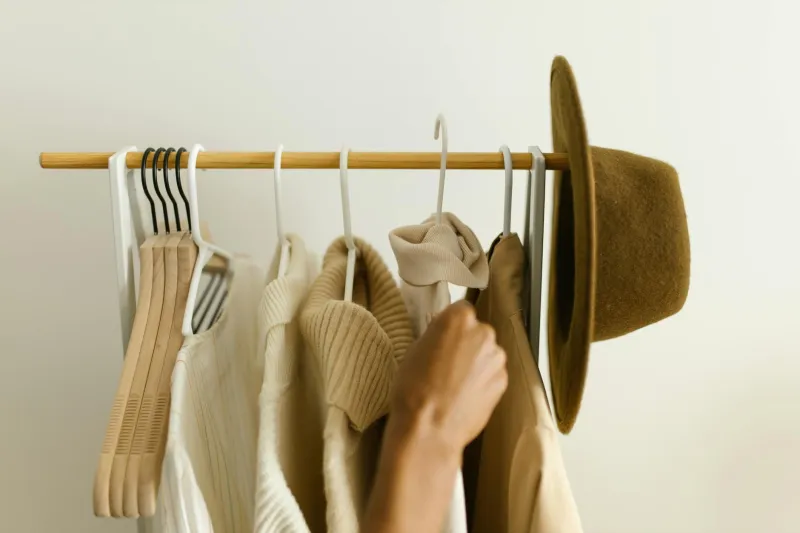
Fast forward six months, and your going-out clothes have formed their own little section in your closet—a shrine to aspirational living. They hang there like expensive ghosts, tags intact, occasionally mocking you when you're searching for something to wear to Target.
These pieces have survived multiple apartment moves, three different relationship statuses, and a global pandemic that put the final nail in the coffin of your theoretical nightlife. Yet they persist, because throwing them away would mean admitting that you are, in fact, someone whose idea of a wild Friday involves ordering Thai food and watching true crime documentaries.
The Annual Recommitment Ceremony
Every January 1st, you rediscover these clothes and make the same promise: "This is the year I'll actually wear this stuff." You might even try something on, take a mirror selfie, and feel briefly optimistic about your social prospects.
But then February arrives with its cold, dark reality, and suddenly that crop top seems less "fun night out" and more "hypothermia waiting to happen." By March, you've accepted that your most frequent evening companion is your weighted blanket, not a dance floor.
The Great American Going-Out Drought
You're not alone in this predicament. Across America, closets are filled with the fashion equivalent of emergency supplies that never got used. We've collectively created a parallel wardrobe for a lifestyle that exists mainly in our aspirations and our Instagram feeds.
The pandemic certainly accelerated this phenomenon, but the roots go deeper. Somewhere between student loans, work schedules, and the general exhaustion of modern adult life, "going out" became less of a regular activity and more of a special occasion that requires a full weekend to recover from.
The Identity Crisis
The real tragedy isn't the money spent—it's the identity confusion. These clothes represent who you thought you were going to be, or who you still think you might become with the right motivation and a decent night's sleep. They're evidence of the gap between your aspirational self and your Netflix-and-chill reality.
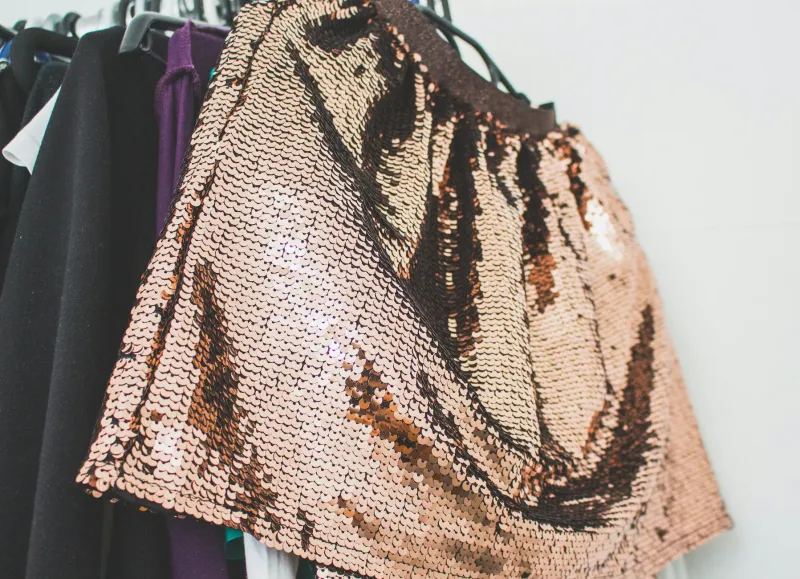
Every time you see that unused sequined top, it whispers, "Remember when you thought you were going to be fun?" It's like having a tiny, sparkly life coach in your closet who's really bad at reading the room.
The Survival Guide
So what do you do with these sartorial symbols of optimism? You have three options:
Option 1: The Commitment Ceremony
Actually plan a night out specifically to wear these clothes. Yes, it's artificial. Yes, it's forcing it. But sometimes you have to create the occasion for the outfit, not the other way around. Invite three friends over, put on the dress, take photos, and call it a night. The clothes get worn, your Instagram gets content, and everyone goes home by 10 PM.
Option 2: The Repurpose Revolution
That bodysuit? It's actually a very expensive undershirt now. The party dress? Perfect for Zoom calls where you only show the top half. The leather jacket? Great for making grocery runs feel more dramatic. Sometimes the best going-out outfit is the one that makes staying in feel special.
Option 3: The Dignified Retirement
Donate them to someone who might actually have somewhere to go. Let them live their best life on someone else's body while you accept that your evening uniform is joggers and a hoodie, and that's perfectly valid.
The Real Plot Twist
Here's the thing nobody tells you: The most liberating moment isn't finally wearing the party dress—it's realizing that your happiness doesn't depend on having somewhere fancy to wear it. Maybe the real going-out energy was the comfort clothes we wore along the way.
Your unused party wardrobe isn't a failure; it's a time capsule of hope. And honestly? In a world that feels increasingly chaotic, maintaining a little optimism about future fun—even if it never happens—might be the most rebellious act of all.