From First Impression to Frozen Foods Aisle: The Tragic Demotion of Your Most Hopeful Outfit

There is a very specific kind of grief that hits when you're standing in the produce section of Trader Joe's, slightly damp from the parking lot, wearing the exact outfit you spent three weeks curating for a first date that either went nowhere or — more painfully — never happened at all. You are holding a bag of everything bagel seasoning. You are wearing your best self. Nobody is noticing.
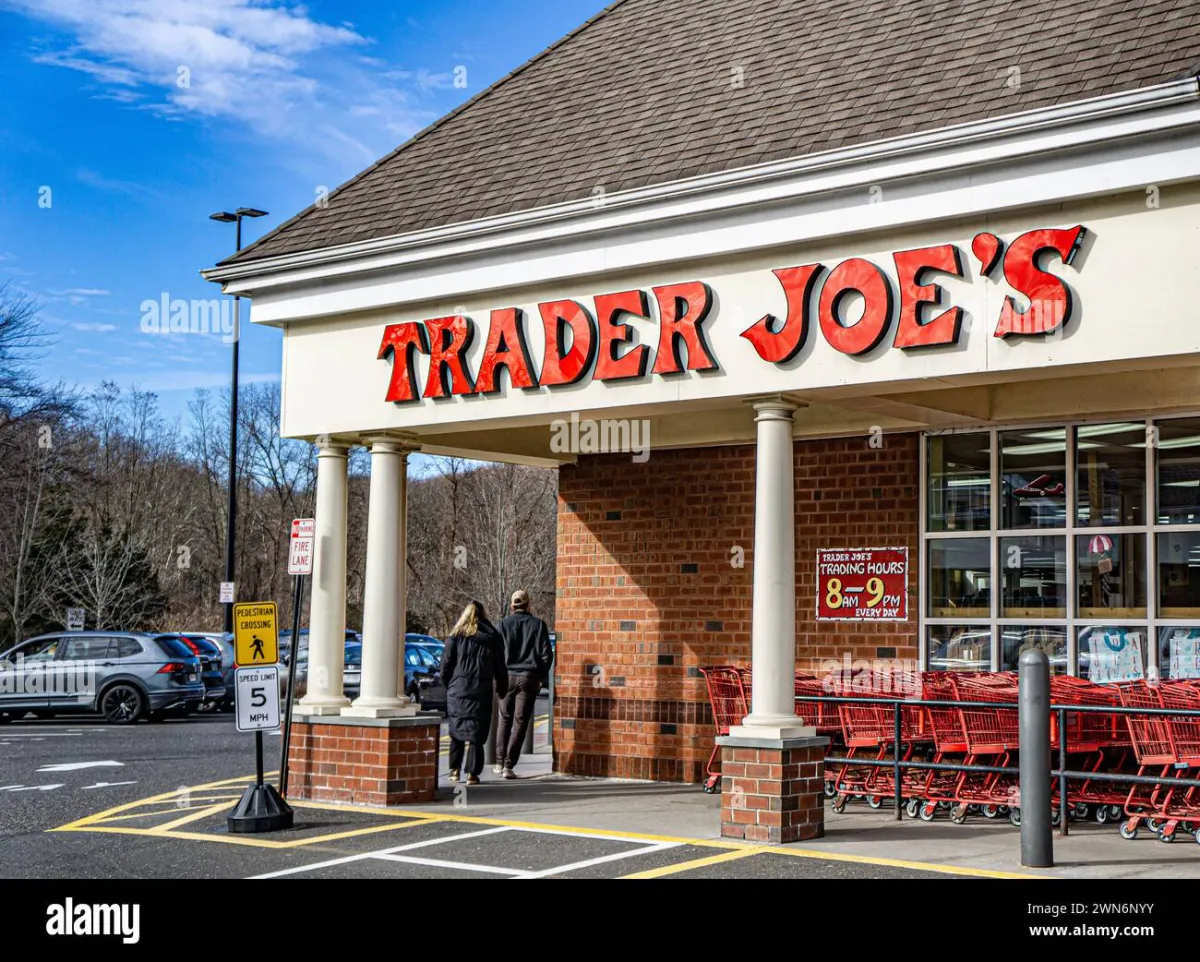 Photo: Trader Joe's, via c8.alamy.com
This is the full arc of the Impression Outfit. And it deserves to be documented.
Phase One: The Purchase, Also Known as 'This Changes Everything'
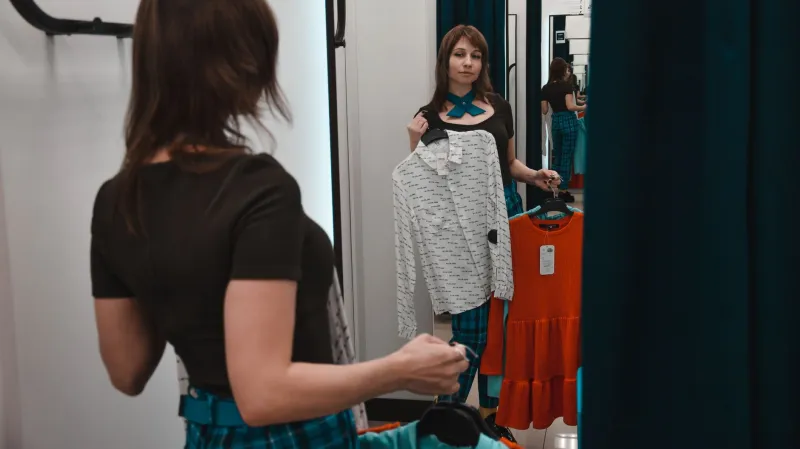
It starts, as most fashion decisions do, with a feeling. Not a need — a feeling. You weren't looking for anything specific. You were maybe just browsing, maybe just killing time, maybe just a little bit hopeful about someone you'd matched with who had genuinely good taste in concert photos.
And then you saw it. The top. The dress. The pair of pants that somehow made your legs look like they belonged to someone with a more interesting life. It fit exactly right in a way that felt almost suspicious. You bought it without checking the price tag, which is how you know it was serious.
Back home, you hung it in a prominent position — not buried in the closet, but visible, like a promise. You told at least one friend about it. You may have photographed it on the hanger. The outfit had a destiny, and that destiny had a name, and that name had a profile picture you'd looked at maybe forty times.
Phase Two: The Occasion That Did or Did Not Materialize
Here is where stories diverge, but the endings are surprisingly similar.
Version A: The date happened. You wore the outfit. It was fine — maybe even good — but the thing about first dates is that no outfit has ever single-handedly rescued the energy of someone who spends forty-five minutes talking about their podcast idea. You came home, hung the outfit back up, and felt a complicated mix of emotions that had nothing to do with the clothes and everything to do with the fact that you are a person who exists in the world and that is genuinely hard sometimes.
Version B: The date didn't happen. It got rescheduled, then rescheduled again, then quietly dissolved into the digital ether like so many before it. The outfit waited on its hanger. You wore other things. Weeks passed. The outfit started to feel less like a promise and more like a passive-aggressive roommate.
Either way, the outcome is identical: the outfit is now available for reassignment.
Phase Three: The First Casual Deployment
It begins innocently. You need to run a quick errand. Everything else is in the laundry. The outfit is right there, clean and pressed and slightly judgmental. You tell yourself it's just this once.
It is not just this once.
The first time you wear the Impression Outfit to a grocery store, something quietly shifts in your relationship with it. It stops being sacred. It becomes comfortable, which is fashion's way of saying it has accepted its fate. You start to notice things about it you didn't notice before — how the fabric breathes, how the waistband doesn't dig in, how it's actually just a really good everyday piece if you stop being so dramatic about it.
This is the demotion. It happens without ceremony.
Phase Four: Full Integration Into the Errand Rotation
Within two months, the outfit has a new identity. It is what you wear to the farmers market, to the dry cleaner, to the pharmacy when you need something slightly embarrassing and want to at least look like you have your life together. It has been to Home Depot. It has been to a 9 a.m. vet appointment. It once accompanied you to a very contentious return at Zara.
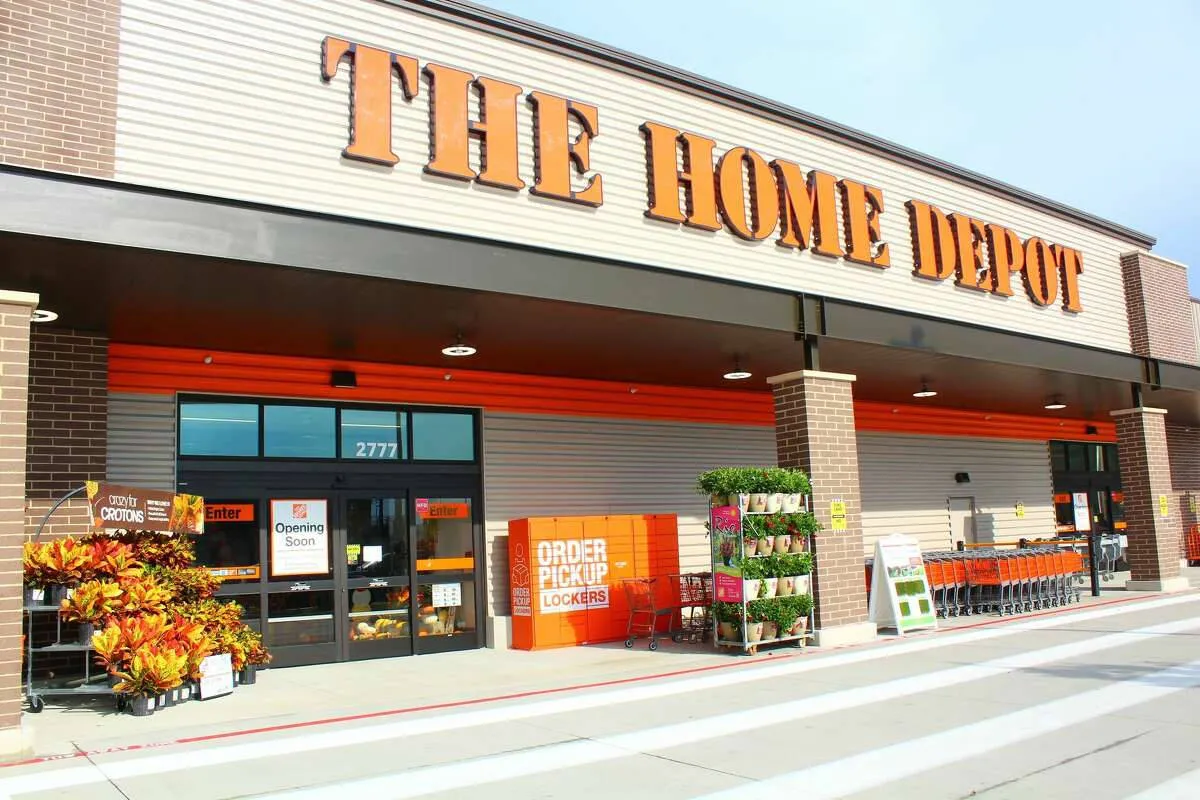 Photo: Home Depot, via wallpapers.com
The outfit has, in a strange way, become more versatile than you ever intended. It has seen more of your actual life than it was ever supposed to. The version of you it was bought for — the one on a charming first date, laughing at something clever over natural wine — never really showed up. But the version of you comparing sriracha prices in aisle four? She shows up constantly. She is, arguably, the main character.
Phase Five: The Reckoning in the Frozen Foods Section
Eventually, you catch a glimpse of yourself in the reflective surface of a freezer door — the specific kind of unflattering fluorescent-lit reflection that no one has ever looked good in — and you have a moment.
The outfit still looks good. That's the thing. It looks good on a Tuesday at 7 p.m. with no audience and a basket full of snacks and a very normal life. It looks good on you, specifically, doing the actual things you actually do.
Maybe the date was always a secondary occasion. Maybe the Tostitos run was the main event. Maybe the outfit didn't get demoted so much as it got promoted — to something real, something worn, something that exists outside the fantasy of a hanger and a hypothetical person who probably would have been fine but not, you know, great.
Or maybe you just need to do laundry more often. Both things can be true.
A Brief Note on What This Means for Your Next Purchase
Nothing. It means nothing for your next purchase. You will do this again. You will find something perfect for a version of your life that is slightly more cinematic than the current one, and you will buy it with the same hope you always do, and it will eventually end up at Whole Foods on a Wednesday.
And honestly? It'll look great there.
Welcome to the lifecycle. The checkout line has never been more fashionable.