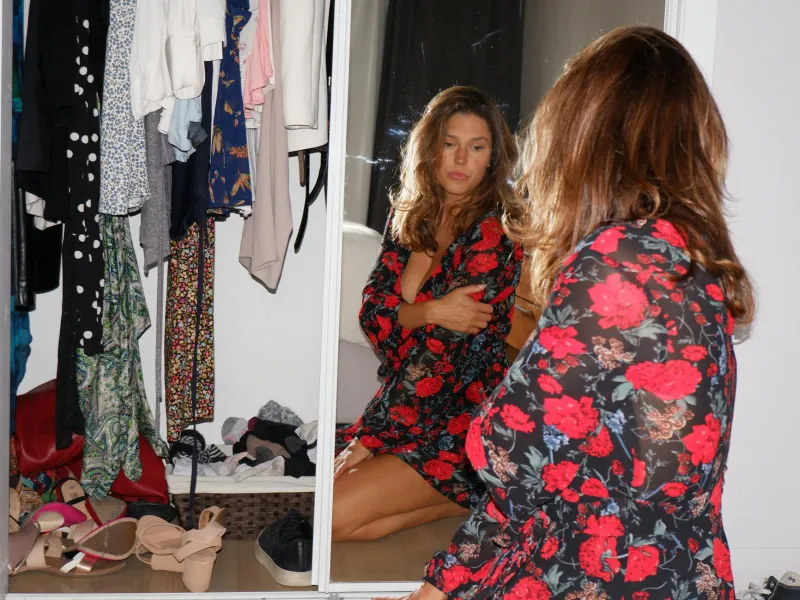
The Crime Scene: Your Closet
Let's set the scene. There you were, innocently scrolling through your phone at 11:47 PM on a Tuesday, when suddenly you stumbled upon the post. You know the one. A perfectly lit flat lay featuring a camel-colored blazer surrounded by various accessories, with a caption that read something like "5 ways to style this versatile piece!!! From coffee dates to client meetings 💫 #capsulewardrobe #timeless #investment."
And just like that, you were hooked.
The Pinterest Conspiracy
Within minutes, you had created a new Pinterest board titled "Capsule Wardrobe Essentials" (joining the other 47 boards you've never referenced since creating them). You pinned outfit combinations with the dedication of someone planning a military operation. Blazer with jeans and sneakers for "casual chic." Blazer over a slip dress for "effortless evening." Blazer with wide-leg trousers for "boardroom ready."
The math was simple: one $180 blazer divided by seventeen different styling options equals roughly $10.58 per outfit. Practically free money! You were basically a financial genius.
The Purchase: A Love Story
Three days later, you found yourself in the store, trying on said blazer. It fit perfectly in that dressing room lighting that somehow makes everyone look like they should be on the cover of Vogue. The sales associate — who definitely works on commission — confirmed what you already knew: this piece was "so versatile" and would "work with everything in your closet."
You bought it. Obviously.
The Reality Check: A Horror Story
Fast forward six months, and that blazer has been worn exactly 1.5 times. (The half-time was when you put it on, looked in your actual bedroom mirror under actual lighting, and immediately changed into your reliable black cardigan.)
But why? The Pinterest board still exists. The styling possibilities are still theoretically infinite. What went wrong?
The Forensic Evidence
Exhibit A: The Color Conspiracy That "versatile" camel color? Turns out it clashes with approximately 73% of your existing wardrobe, which consists primarily of black, navy, and that one burgundy sweater you impulse-bought last fall.
Exhibit B: The Lifestyle Mismatch The blazer requires a level of put-togetherness that doesn't align with your actual life. Those Pinterest outfits assume you're the type of person who owns multiple pairs of well-fitted trousers and doesn't consider leggings a legitimate pants option.
Exhibit C: The Maintenance Reality It's dry clean only. Need we say more?
Exhibit D: The Occasion Phantom All those versatile styling options require occasions you don't actually have. When was the last time you needed an outfit that was simultaneously "business casual" and "date night appropriate"? Your actual social calendar consists of Target runs and Netflix.
The Usual Suspects
The blazer isn't alone in this crime. Other frequent offenders include:
- The midi skirt that "goes with everything" (but somehow goes with nothing you own)
- Statement boots that require an entire personality change to pull off
- The white button-down that's supposedly a "wardrobe staple" (despite the fact that you spill coffee on everything)
- Palazzo pants that look chic on influencers but make you feel like you're wearing curtains
The Psychology Behind the Scam
We fall for the versatility trap because we're buying into a fantasy version of ourselves. The version who has her life together, owns a steamer, and doesn't consider putting on jeans a major accomplishment. We're purchasing an aspirational lifestyle along with that blazer — and that's exactly what retailers are counting on.
The "investment piece" narrative is particularly seductive because it makes us feel financially responsible while making an impulse purchase. We're not shopping frivolously; we're building a "curated wardrobe." We're not buying clothes; we're investing in our "personal brand."
The Verdict
Here's the uncomfortable truth: the problem isn't the blazer. The problem is that we keep trying to force our actual lives into someone else's Pinterest board. That influencer styling "5 ways" probably has a different body type, lifestyle, budget, and possibly an entire team helping her put together those looks.
Your blazer isn't versatile because versatility isn't just about the clothes — it's about having a lifestyle that can accommodate multiple versions of yourself. And honestly? Most of us are pretty consistently ourselves, which is why we keep reaching for the same comfortable, reliable pieces.
The Recovery Program
Before your next "investment piece" purchase, try this radical approach: shop for the life you actually have, not the life you think you should want. That might mean buying a second pair of your favorite jeans instead of a statement skirt. It might mean admitting that you're a leggings person and that's perfectly fine.
And if you're still tempted by that "versatile" piece? Give it the 48-hour test. Pin those outfit ideas, sure, but then honestly assess whether you own the other pieces needed to make them work. More importantly, ask yourself if you have occasions where you'd actually wear those outfits.
Your closet — and your bank account — will thank you.