Closet Archaeologists: The People Swearing Off Shopping (And the Outfits That Followed)
Closet Archaeologists: The People Swearing Off Shopping (And the Outfits That Followed)
Somewhere between the third impulse-buy notification from Shein and the realization that you own seventeen nearly identical black tank tops, a movement was born. The 'no buy year' challenge — in which participants solemnly swear to stop purchasing new clothing for an entire calendar year — has been quietly (and then very loudly) taking over TikTok and Instagram. The hashtag has racked up millions of views. The content is compelling. The outfits are... a journey.
Welcome to the era of the closet archaeologist.
What Even Is a No Buy Year?
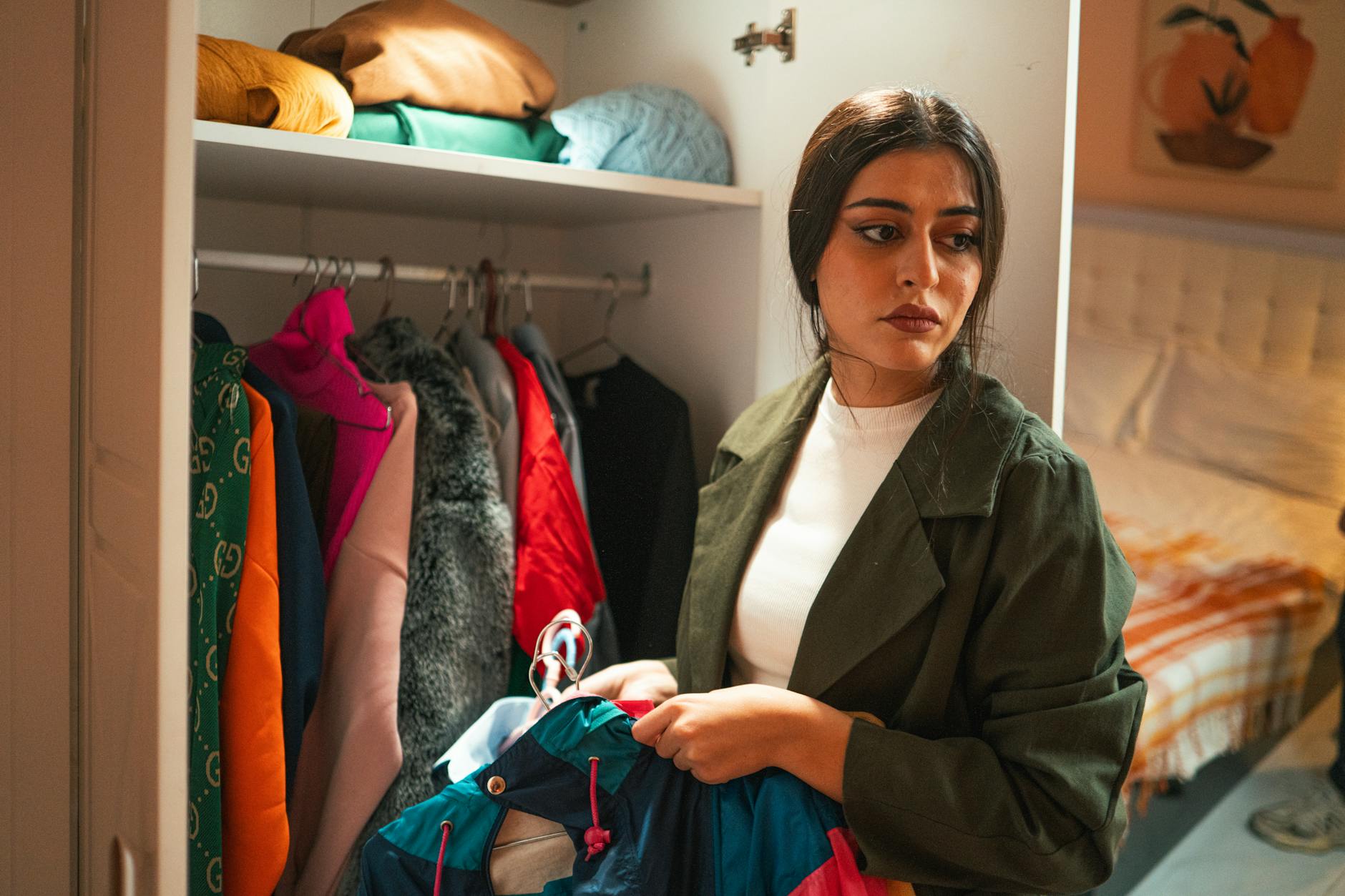
The premise is beautifully simple: you stop buying clothes. For a year. That's it. No fast fashion hauls, no 'just one thing' Target detours, no justifying a new blazer because it was technically on sale. Participants document their experience online, sharing the mental gymnastics of resisting a sale email, the triumph of rediscovering a forgotten sweater, and — most entertainingly — the deeply creative outfit combinations that emerge when your only option is what's already in the closet.
The motivations vary. Some people are doing it for their wallets. Others cite the environmental impact of fast fashion, which, fair enough — the industry produces roughly 10% of global carbon emissions and enough polyester to wrap the planet several times over. And then there's a third group who seem to be doing it primarily because it makes excellent content, which, also fair enough. This is America in 2024.
The Archaeology Phase Is Real
Here's the thing nobody tells you before you commit to a no buy year: your closet is basically a time capsule. And excavating it is equal parts thrilling and mortifying.
Participants across TikTok have been documenting their 'closet finds' with the energy of someone who just unearthed a Roman coin in their backyard. There's the 2019 bodycon dress, still tagged, still smelling faintly of whoever you were back then. The blazer with shoulder pads that felt very powerful woman at the time and now looks like something a mid-level villain would wear in a Netflix limited series. The jeans from a size you haven't been in four years, kept around for reasons that are more emotional than practical.
And yet — people are styling all of it. Beautifully, chaotically, sometimes inexplicably, but with a creativity that genuinely slaps.
One creator layered a 2017 slip dress over a chunky turtleneck and looked like she'd just stepped off a Copenhagen street. Another resurrected a pair of wide-leg trousers from a job she quit in 2021 and paired them with a cropped hoodie in a way that felt, somehow, completely intentional. The bodycon dress got belted, oversized, and worn as a skirt. The shoulder-pad blazer got thrifted out of someone's closet and into someone else's no buy challenge, which is technically cheating but we respect the hustle.
Is It a Lifestyle Shift or Just a New Aesthetic?
Here's where we have to get a little real for a second, because Look Lately didn't get this far by pretending the internet isn't the internet.
For every person genuinely committed to a year of no new clothing, there are a handful of others who are... performing the commitment. The 'no buy' aesthetic has developed its own visual language — the organized closet flat lays, the 'shopping my own wardrobe' reels, the soft-spoken voice-over about mindful consumption — and it looks really good. Like, aspirationally good. Which creates a slightly recursive situation where the challenge designed to resist consumerism has become its own form of lifestyle content to consume.
Is that bad? Honestly, not really. If someone is documenting their no buy journey primarily for the content but also actually not buying clothes, the clothes are still not being bought. The outcome is the same. And if the aesthetic of restraint inspires even a fraction of viewers to think twice before clicking 'add to cart,' that's probably a net positive.
The more interesting question is what happens in month four, when the novelty wears off and the autumn transition pieces start appearing in every ad on every platform because the algorithm absolutely knows what you're trying to do.
What the Good Ones Are Actually Doing
The no buy participants who seem to be genuinely thriving share a few things in common. First, they did a full closet inventory before starting — not just a vibe check, but an actual accounting of what they own. Second, they got creative with styling in a way that treats getting dressed as a puzzle rather than a chore. Third, and perhaps most importantly, they gave themselves grace for the fact that some of what's in their closet simply doesn't fit their current life, and they're working with that instead of against it.
The results, at their best, are genuinely impressive. Outfits that feel current without being trend-dependent. A personal style that's actually personal because it's built from accumulation rather than curation. The kind of wardrobe that looks like it belongs to someone with taste rather than someone with a credit card.
So Should You Try It?
If you're even mildly curious, the answer is probably yes — or at least, try a no buy month and see what crawls out of your closet. You might find a silk blouse you forgot you owned. You might find a pair of cargo pants that were ahead of their time and are now inexplicably on trend. You might find a dress you bought for a wedding in 2018 that you can absolutely style into a going-out top if you're brave enough.
Or you might find three identical black tank tops you didn't know you had, which brings us back to where we started.
Either way, it's content.