The Dark Academia Meets Mean Girl Pipeline: How 'Villain Era' Became This Year's Most Predictable Plot Twist
The Dark Academia Meets Mean Girl Pipeline: How 'Villain Era' Became This Year's Most Predictable Plot Twist
Somewhere between the third TikTok of a woman applying dark red lipstick with the caption "entering my villain era" and the fifteenth Instagram story of someone in an oversized blazer staring pensively out a coffee shop window, I realized we had a situation on our hands. The villain era has arrived, and apparently, it comes with a uniform.
The Aesthetic Autopsy: Dissecting the Look
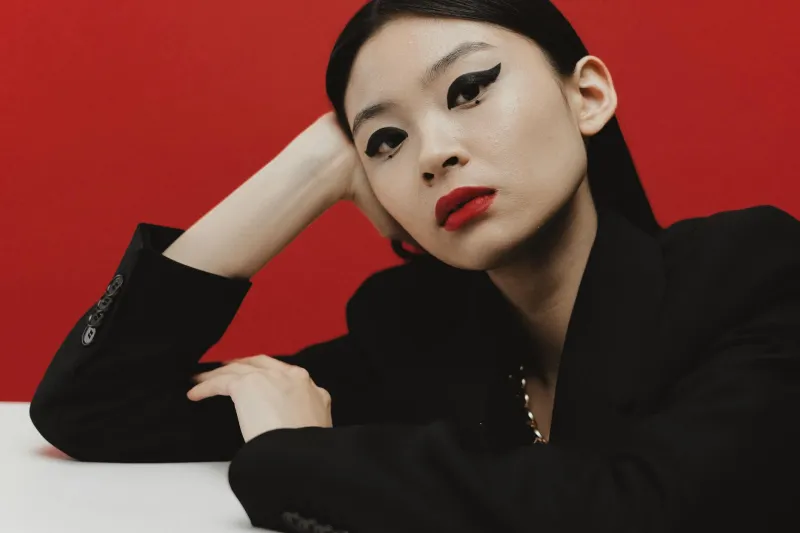
Let's start with the obvious: the villain era starter pack is more standardized than a Starbucks menu. We're talking dark lipstick (preferably applied with the kind of precision usually reserved for nuclear weapon assembly), structured outerwear that could double as armor, and a facial expression that suggests you've just mentally catalogued everyone's weaknesses and found them... disappointing.
The color palette reads like a goth teenager's mood board: black, burgundy, forest green, and the occasional pop of gold for when you need to remind people you have taste. It's giving "I read Machiavelli for fun" meets "I definitely know which wine pairs with revenge."
But here's where it gets interesting: this supposed rebellion against caring what people think has become the most carefully orchestrated aesthetic movement since cottagecore convinced us all we needed flowy dresses to feel fulfilled.
The Five Archetypes of Villain Era Participants
The Corporate Crusader: She discovered that wearing all black to meetings makes people take her more seriously, and now every blazer is a psychological weapon. Her LinkedIn posts about "setting boundaries" have a certain edge that makes HR nervous.
The Academic Assassin: Dark academia met its match when she decided that looking like you could destroy someone's thesis defense was actually a vibe. Tortoiseshell glasses are mandatory, as is the ability to make small talk feel like a chess match.
The Wellness Warrior: She meditated her way into not giving a damn, and now her morning routine includes affirmations about being "unbothered" while applying winged eyeliner sharp enough to cut through toxic positivity.
The Heartbreak Historian: Someone did her wrong, and now every outfit is a declaration of independence. The transformation from soft girl to stone cold is so dramatic, her ex probably thinks he's being haunted.
The Chaos Coordinator: She was always a little unhinged, but now it's intentional. Every outfit choice is a calculated move in the game of making people slightly uncomfortable while looking absolutely incredible.
The Paradox of Performed Indifference
Here's the thing about not caring what people think: it's really hard to do while simultaneously documenting every moment of your journey for social media validation. The villain era might be about embracing your darker impulses, but it's still being performed for an audience that's expected to applaud your transformation.
The irony is delicious. We're watching thousands of women carefully curate an aesthetic around being uncurated, meticulously plan their spontaneous rebellion, and strategically document their journey toward not seeking validation while... seeking validation for not seeking validation.
It's like watching someone practice their "I woke up like this" face in the mirror for twenty minutes.
The Algorithm's Favorite Anti-Hero
Social media platforms are eating this trend up faster than a villain eats their enemies (metaphorically, we hope). The algorithm loves a good transformation narrative, and "woman discovers her own power" content performs better than a stock portfolio in 2021.
But when everyone's transformation looks suspiciously similar, you have to wonder: are we witnessing authentic personal growth, or just the latest iteration of internet cosplay? When being a villain becomes this mainstream, maybe it's time to ask who's really pulling the strings.
The Real Plot Twist
The most subversive thing about the villain era might be that it's working exactly as intended – just not how participants think it is. While everyone's busy practicing their intimidating stare and perfecting their "I'm too busy being successful to care" energy, they're inadvertently creating the most supportive community of fake villains the internet has ever seen.
The comments sections are full of women hyping each other up, sharing lipstick recommendations, and offering genuine encouragement disguised as villain solidarity. It turns out that when everyone decides to be the main character, the result isn't chaos – it's just a really well-dressed support group.
The Verdict
Look, if wearing dark lipstick and a structured coat makes you feel like you could negotiate world peace or at least get your money back without a receipt, more power to you. The villain era might be performative, but so is everything else we do online.
The real question isn't whether this trend is authentic – it's whether we can all agree to retire the phrase "entering my villain era" before it becomes as overused as "living my best life." Because if there's one thing worse than a predictable villain, it's a verbose one.
After all, true villains don't announce their plans on Instagram Stories. They just show up looking incredible and let their enemies figure it out themselves.