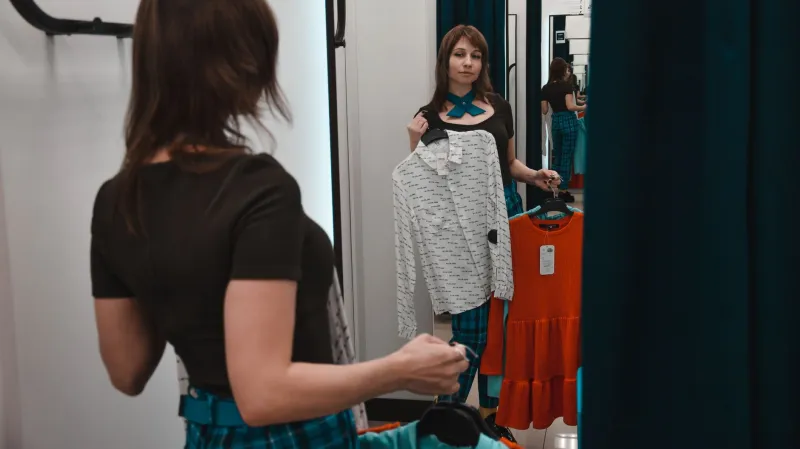
That Blazer You Bought for Your Dream Job Is Judging You From the Closet

The Manifestation Station Has Left the Building
Somewhere in your closet, there's a blazer. Not just any blazer—the blazer. The one you bought six months ago when you were absolutely, positively certain that promotion was coming. The one that cost three times what you normally spend on work clothes because this was an investment in your future self. The one that's been hanging there ever since, tags intact, developing what can only be described as a passive-aggressive energy.
Welcome to the strange psychological twilight zone of aspirational occasion dressing, where the line between manifesting your dreams and jinxing yourself becomes thinner than the tissue paper your unworn outfit came wrapped in.
The Taxonomy of Wishful Wardrobe Thinking
The promotion blazer is just one member of a larger family of clothes purchased for events that exist only in our optimistic imagination. There's the first-date dress (bought before you even matched on the app), the graduation ceremony outfit (purchased sophomore year), and the wedding guest ensemble for a friend who's been "definitely getting engaged soon" for the past two years.
These pieces share a common DNA: they were purchased in moments of pure, unadulterated hope. You weren't just buying fabric and thread—you were buying a ticket to a better version of your life. The blazer represented competence, authority, the kind of person who gets corner offices and expense accounts. The dress whispered promises of romance and Instagram-worthy date nights.
When Optimism Becomes Superstition
But here's where things get psychologically interesting. After months of non-promotion, that blazer starts to feel less like a symbol of ambition and more like evidence of your own delusion. Every time you see it, perfectly pressed and perpetually ready, it's a small reminder that your timeline didn't go according to plan.
Some people develop elaborate theories about why wearing the outfit might actually prevent the desired outcome. "Maybe if I wear it now, I'll jinx the promotion," they think, as if the universe operates on some cosmic dress code that punishes premature celebration. Others convince themselves they're saving it for "the right moment," which conveniently never arrives.
The Psychological Hostage Situation
The real tragedy isn't the money spent (though let's be honest, that stings too). It's the way these clothes hold us emotionally hostage. That blazer isn't just taking up space in your closet—it's taking up mental real estate. Every morning, as you rifle through actually wearable options, it's there, silently asking, "Remember when you thought you'd be wearing me to important meetings by now?"
It's particularly cruel because the outfit usually looks amazing. You tried it on in the store and felt like the protagonist of your own success story. The sales associate probably said something about how it was "made for you," and you believed them because you wanted to believe in the future it represented.
The Great American Closet Museum
This phenomenon speaks to something uniquely American about our relationship with consumption and self-improvement. We buy our way into the people we want to become, creating elaborate shrines to our aspirational selves. Our closets become museums of abandoned timelines, each unworn piece a artifact of a path not taken.
The promotion blazer joins the ranks of gym clothes bought during January motivation surges, cocktail dresses purchased for social calendars that never materialized, and hiking boots that have never seen dirt. We're a nation of people dressing for lives we're not actually living.
Breaking the Spell
So what do you do with an outfit that's become a monument to your own misplaced optimism? Some experts suggest wearing it anyway, breaking the superstitious hold it has over you. Others recommend returning it, if you still can, and getting your money back along with your peace of mind.
But maybe there's a third option: accepting that the blazer served its purpose the moment you bought it. For a brief, shining moment in the store, you believed completely in your own potential. You saw yourself succeeding and invested in that vision. That's not delusion—that's hope, and hope is never really wasted, even when it comes with a dry-cleaning tag.
The Outfit Owns You Now
The truth is, some purchases transcend their original purpose and become something else entirely. That promotion blazer isn't just clothing anymore—it's a reminder that you're still the kind of person who believes in better things for yourself. Maybe that's worth the closet space after all.
Or maybe it's time to admit that sometimes the best revenge against an unworn outfit is finally wearing it to buy groceries on a Tuesday. Your blazer might have been bought for a boardroom, but it could probably handle a Target run. After six months of existential limbo, it might actually be grateful for the work.