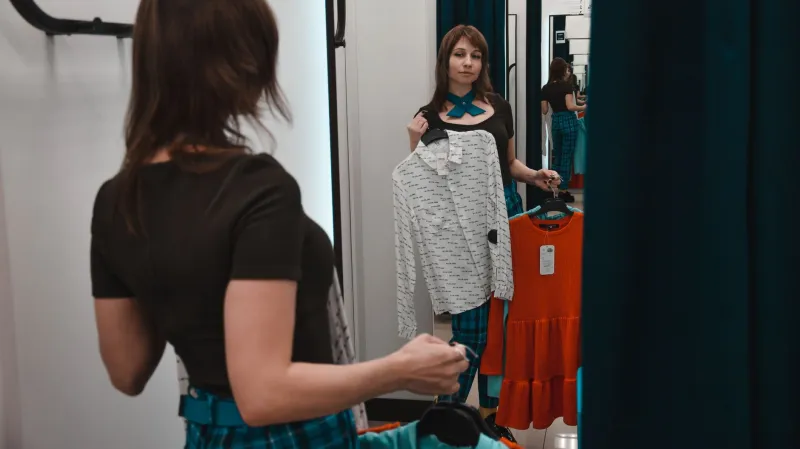
The Spite Shopping Industrial Complex: A Field Study in Clothes Bought for Population: One
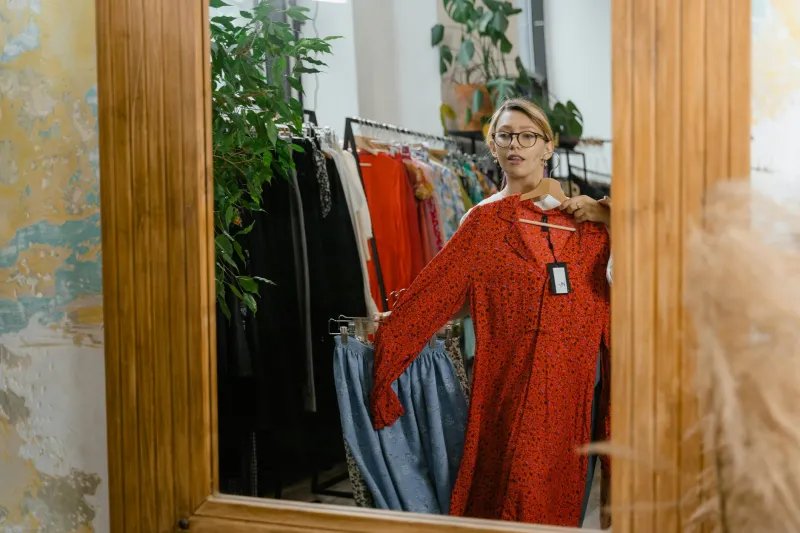
The Economics of Looking Incredible Out of Spite
Let's talk about the outfit hanging in your closet that was purchased with one person in mind. Not you—you were just the delivery system. This outfit exists solely to communicate a very specific message to a very specific audience of one: "Look what you gave up." It's revenge dressing, and it's become America's most passive-aggressive hobby.
The revenge outfit represents a fascinating intersection of retail therapy, psychological warfare, and performance art. You're not just buying clothes—you're investing in a narrative where you emerge victorious, glowing, and devastatingly well-dressed from whatever situation prompted the purchase in the first place.
The Origin Stories of Spite Shopping
Every revenge outfit has an origin story, and they're remarkably similar. There's the post-breakup blazer, purchased after your ex said you "never dressed professionally." The crop top bought specifically for your high school reunion, designed to prove that you did, in fact, peak after graduation. The designer handbag acquired after your former coworker got the promotion you deserved.
These purchases happen in moments of pure emotional clarity, when you can see exactly how the future should unfold. You'll wear the outfit, look absolutely incredible, and the target of your revenge will be forced to confront their terrible life choices. It's a beautiful plan, really, except for the part where real life rarely cooperates with our revenge fantasies.
The Mental Gymnastics Olympics
The revenge outfit requires impressive mental gymnastics to justify. You can't admit you bought a dress specifically to make your ex jealous—that would be petty. Instead, you're "investing in yourself" and "dressing for the life you want." You're not trying to prove anything to anyone; you just happen to look amazing, and if certain people notice, well, that's just a happy coincidence.
This self-deception is crucial to the revenge outfit ecosystem. Nobody wants to admit they spent $300 on a dress for an audience of one person who might not even show up to the event where you planned to debut it. So we rebrand spite shopping as self-care, and suddenly dropping your paycheck on strategic clothing feels like personal growth.
The Anticlimactic Debut
Here's where revenge outfit stories get tragically predictable: the actual debut rarely lives up to the fantasy. Your ex doesn't show up to the party. Your former coworker is too busy with their new promotion to notice your designer bag. Your high school reunion gets canceled due to low attendance.
Or worse, they do notice, and their reaction is a polite "you look nice" before they move on with their lives. Turns out, most people are too wrapped up in their own drama to properly appreciate your carefully orchestrated revenge look. The outfit that was supposed to be your moment of triumph becomes just another dress in your closet.
The Psychological Aftermath
The failed revenge outfit creates its own special kind of buyer's remorse. It's not just about the money (though let's be real, that hurts too). It's about the realization that you gave someone else so much power over your shopping decisions. You literally bought clothes for their approval, even if that approval was supposed to come in the form of regret.
Some people double down, convincing themselves that the revenge outfit worked because they felt confident wearing it, regardless of whether the intended audience noticed. Others retire the outfit entirely, unable to separate it from its failed mission. The most psychologically healthy response is probably wearing it again for your own enjoyment, but that requires a level of emotional maturity that's rare in the immediate aftermath of spite shopping.
The American Tradition of Competitive Appearance
Revenge dressing taps into something deeply American about our relationship with success and appearance. We're a culture that believes looking good is the best revenge, that external validation can heal internal wounds, and that the right outfit can rewrite history.
Social media has only amplified this tendency. Now your revenge outfit can reach your intended audience even if they're not physically present. You can post strategically cropped photos that showcase your amazing new look, knowing exactly who follows your Instagram account and hoping they're paying attention.
The Industry That Feeds on Feelings
The fashion industry has quietly built an entire marketing strategy around revenge shopping. "Treat yourself" campaigns target women going through breakups. "New year, new you" messaging preys on people wanting to reinvent themselves. "Dress for the job you want" appeals to anyone who's been passed over for a promotion.
Retailers know that emotional shopping generates higher profit margins than practical purchases. Nobody haggles over the price of a revenge dress the way they would over a winter coat. When you're shopping for spite, price becomes secondary to impact.
The Redemption Arc
The most successful revenge outfits are the ones that eventually transcend their original purpose. That post-breakup blazer becomes your go-to confidence piece for job interviews. The reunion dress gets worn to other events where you feel genuinely good about yourself. The spite shopping purchase transforms into actual self-care.
But for every outfit that gets redeemed, there are dozens that remain forever tied to their original mission. They become expensive reminders of moments when we let other people's opinions drive our financial decisions.
The Real Revenge Plot Twist
Here's the thing about revenge dressing: the best revenge isn't looking incredible for someone else's benefit. It's reaching a point where you genuinely don't care what they think about how you look. The most successful revenge outfit is the one you eventually forget was bought for revenge at all.
Until we reach that level of emotional enlightenment, though, we'll keep feeding the spite shopping industrial complex, one strategically purchased outfit at a time. At least we'll look good doing it.